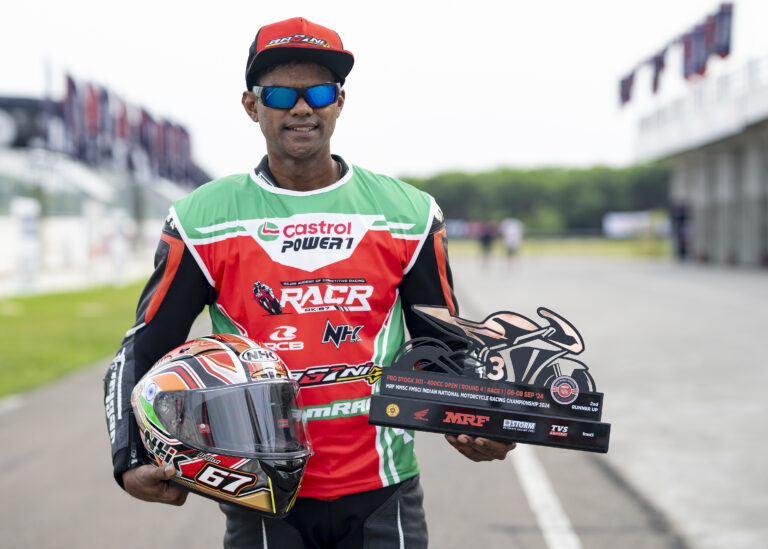
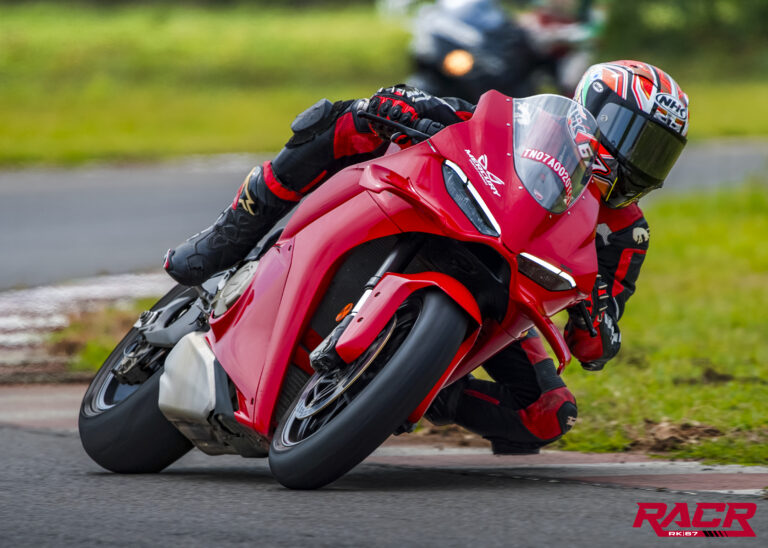
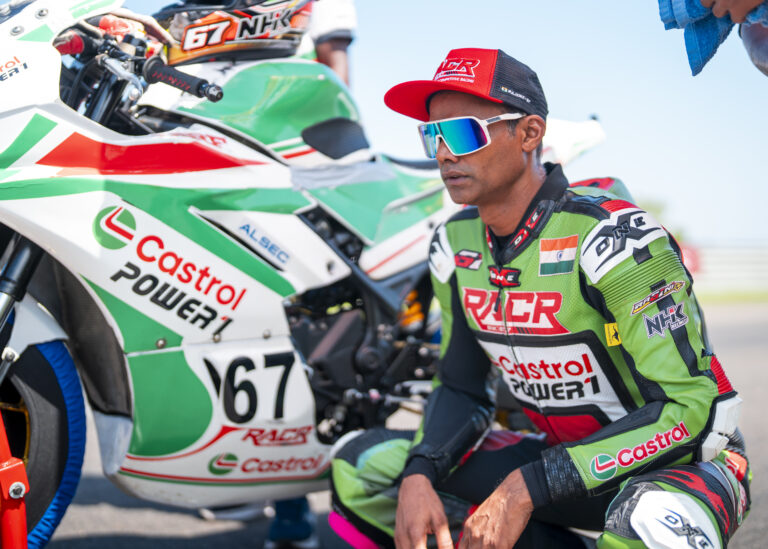
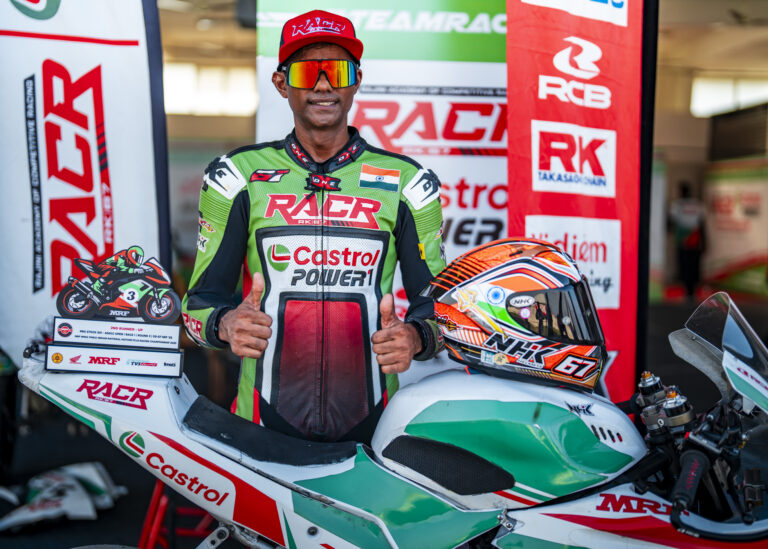
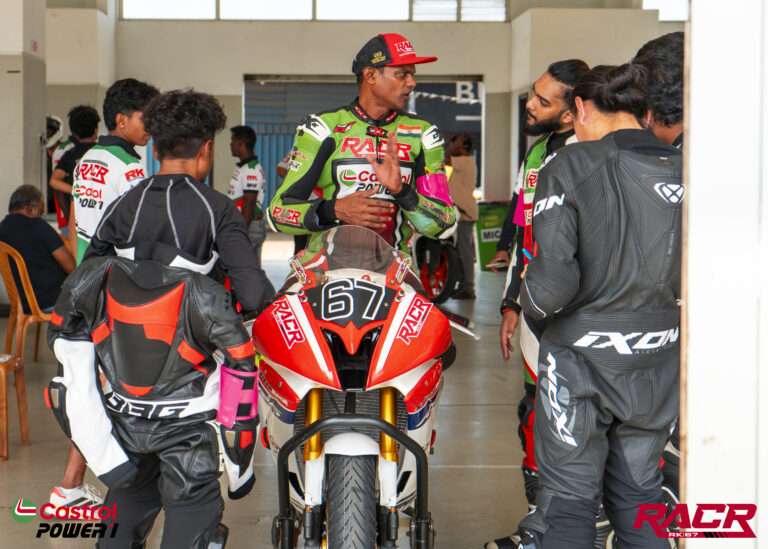
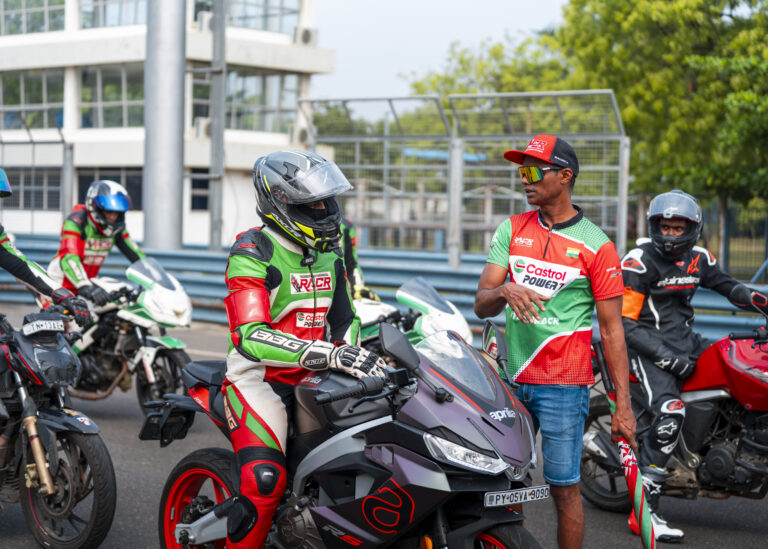
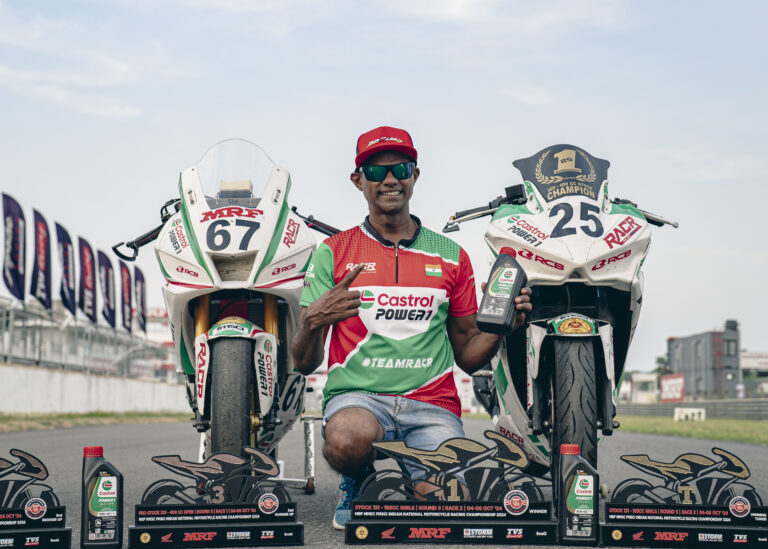
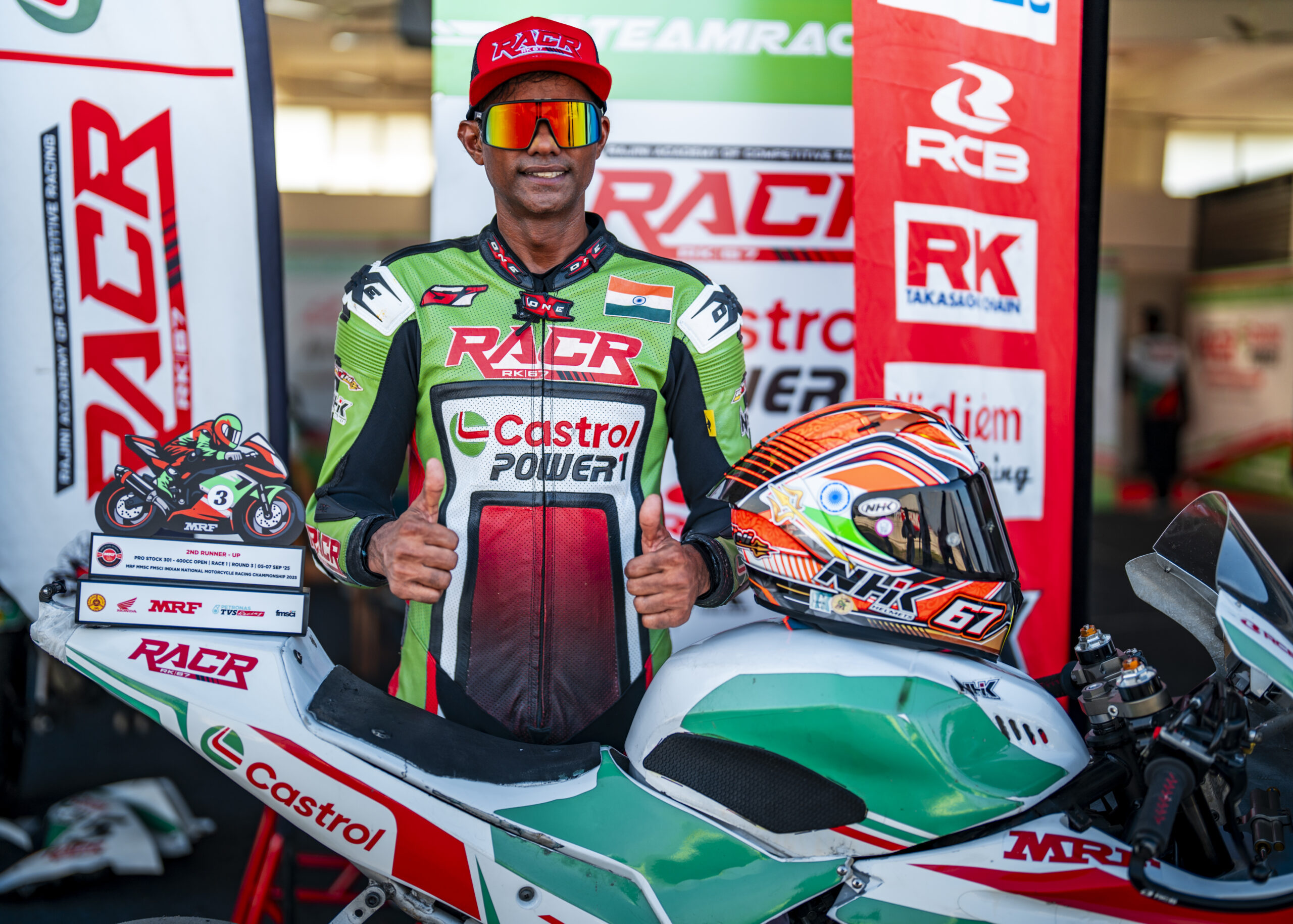
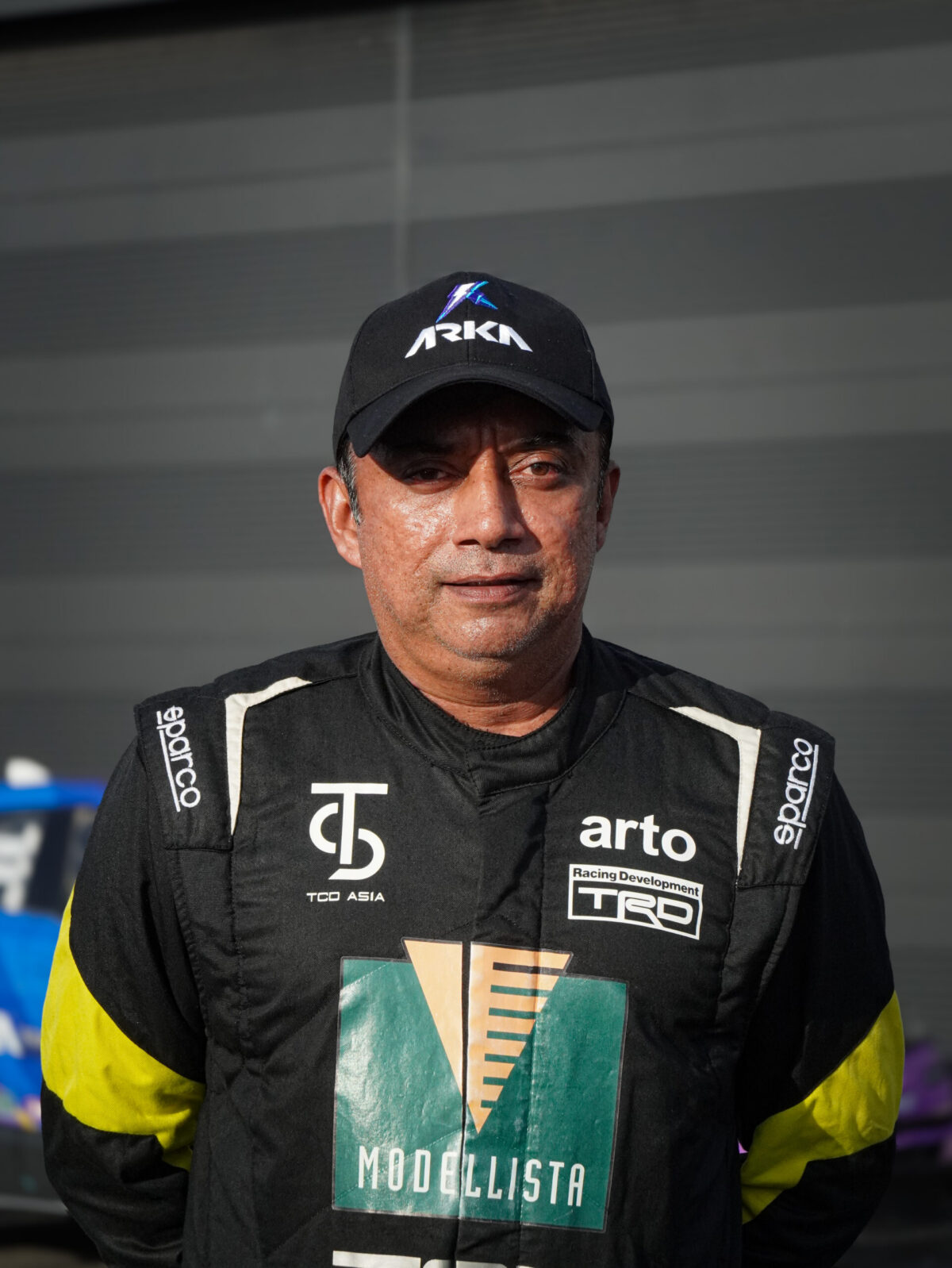
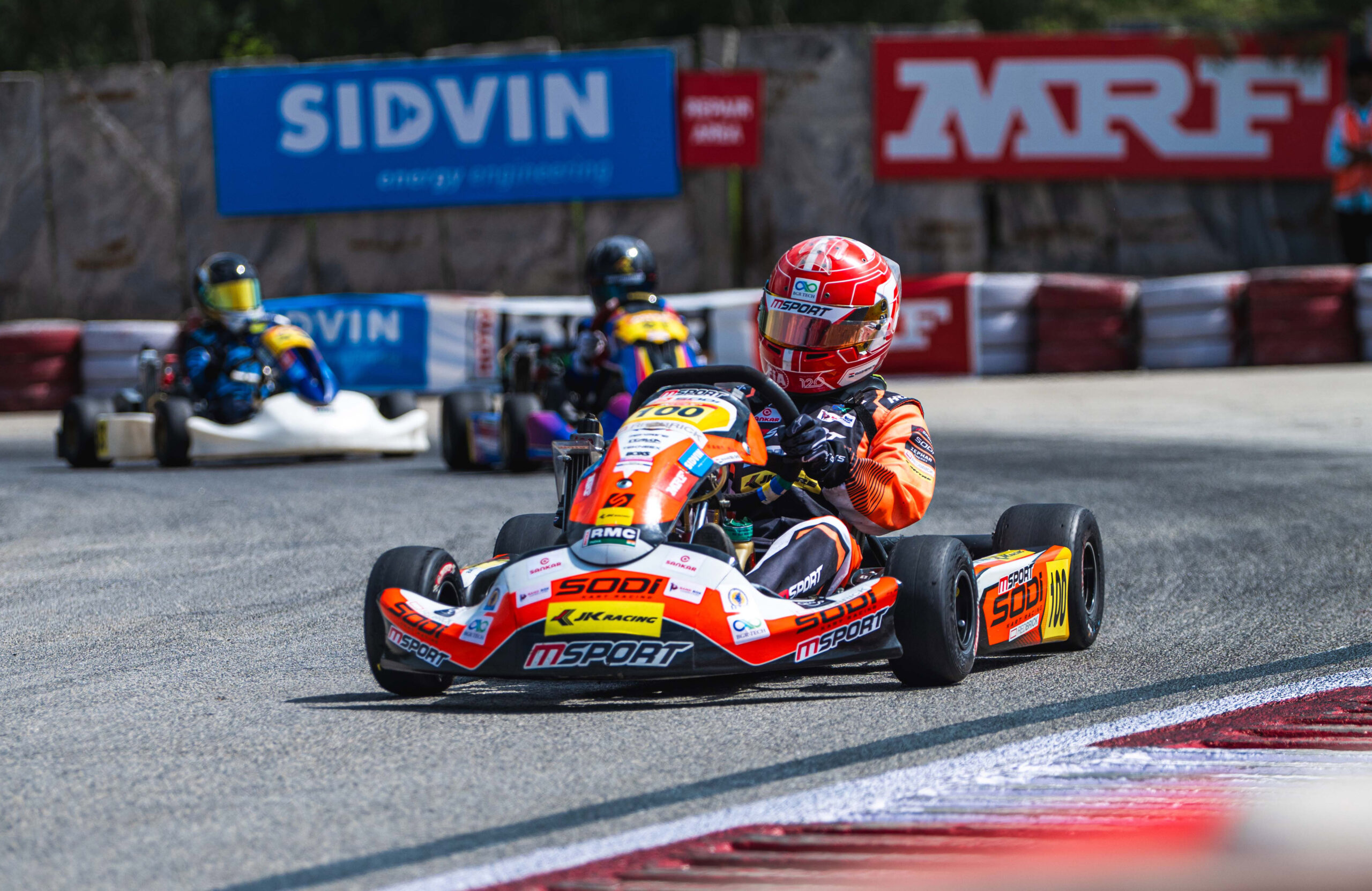
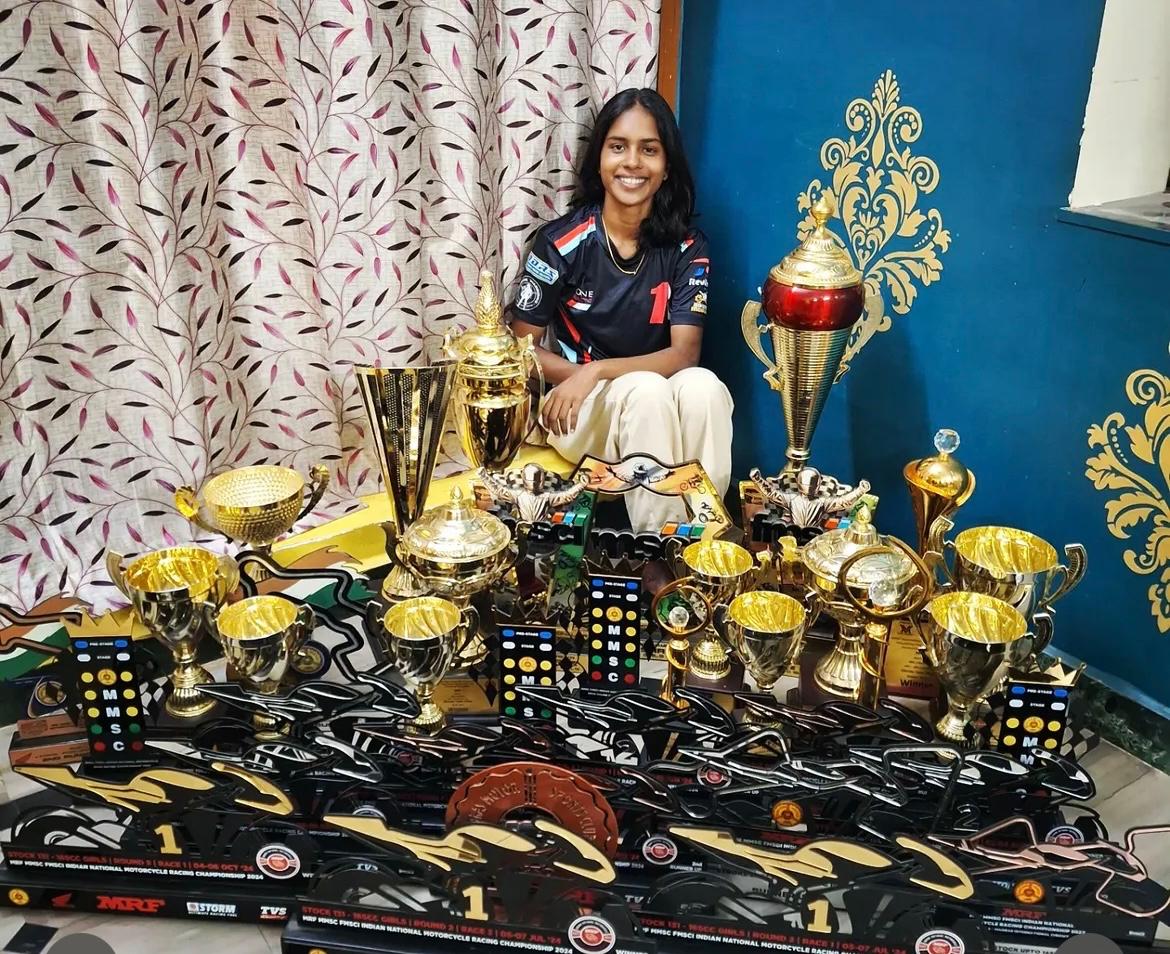
Today we have the honor of speaking with a true pioneer of Indian motorsport — Rajini Krishnan. Widely regarded as India’s most successful motorcycle racer, Rajini has carved his name into history with multiple national championships and international victories. His journey from humble beginnings to competing on global circuits is a story of resilience, passion, and relentless pursuit of excellence.
Rajini Krishnan, born in Chennai in 1980, is widely regarded as India’s most successful motorcycle racer. He has:
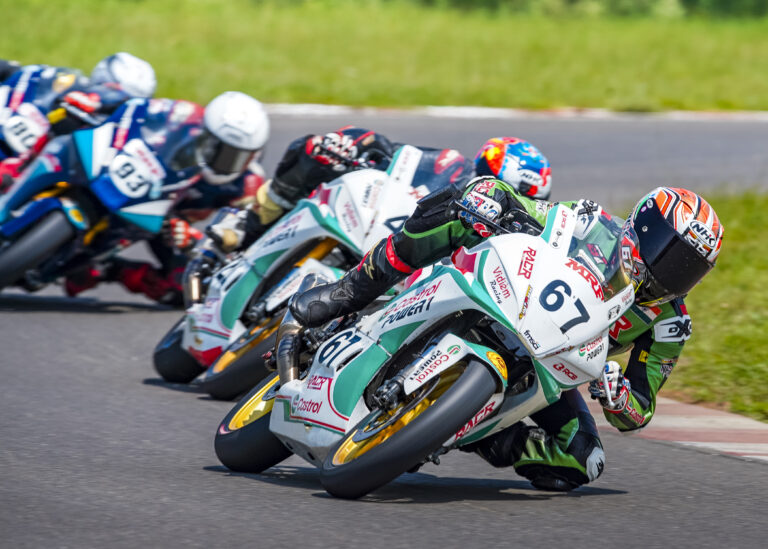
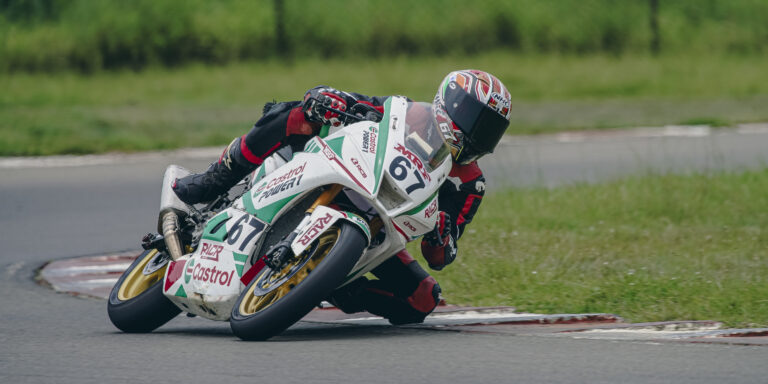
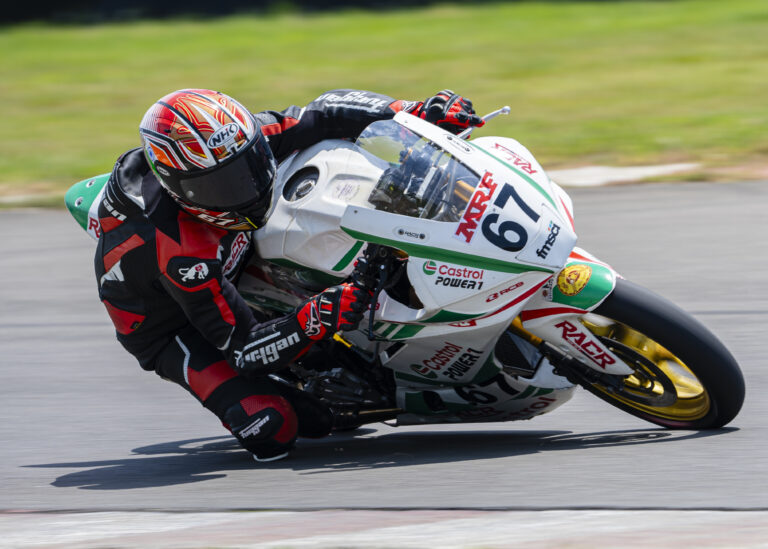
● 11 National Road Racing Championships, including nine consecutive titles between 2003–2011.
● Made history in 2013 as the first Indian to win an international road racing event, at the Losail Asian Road Racing Championship in Qatar.
● Won the Malaysian Superbike Championship (Open class) in 2015.
● Competed in the FIM Asian Road Racing Championship and the FIM Endurance World Championship.
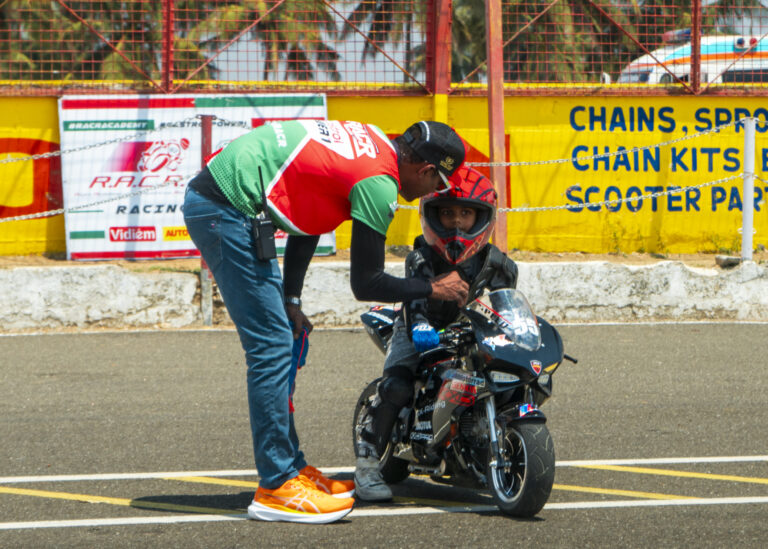
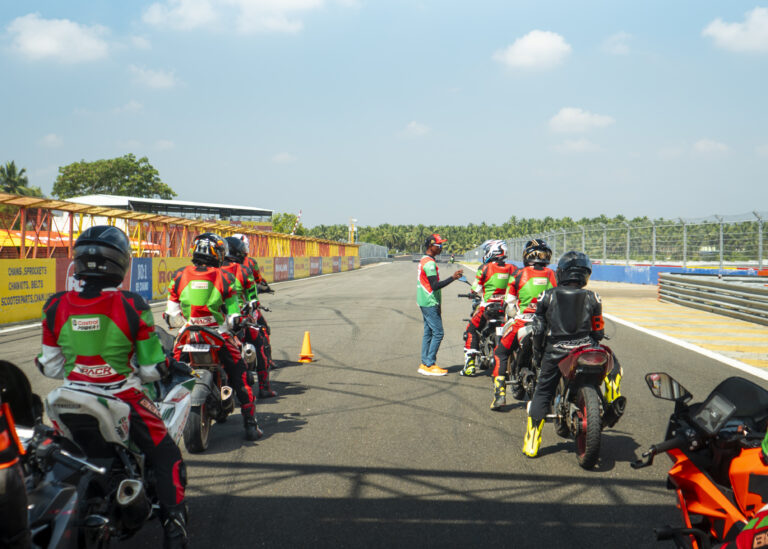
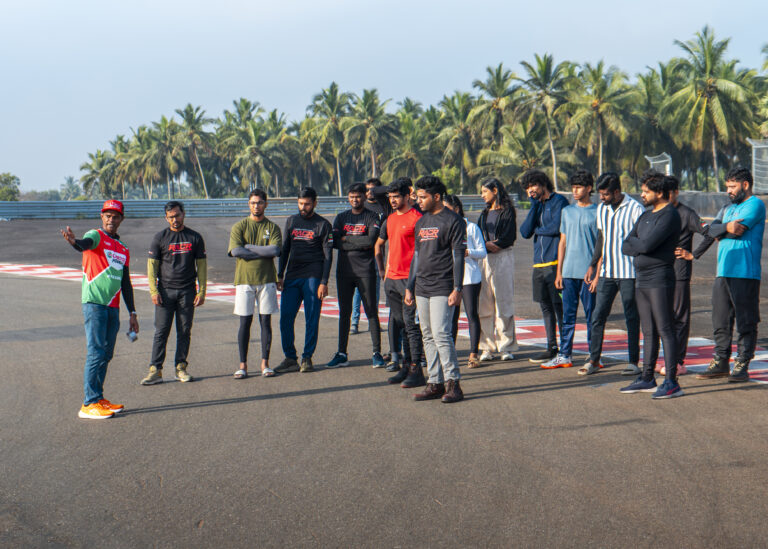
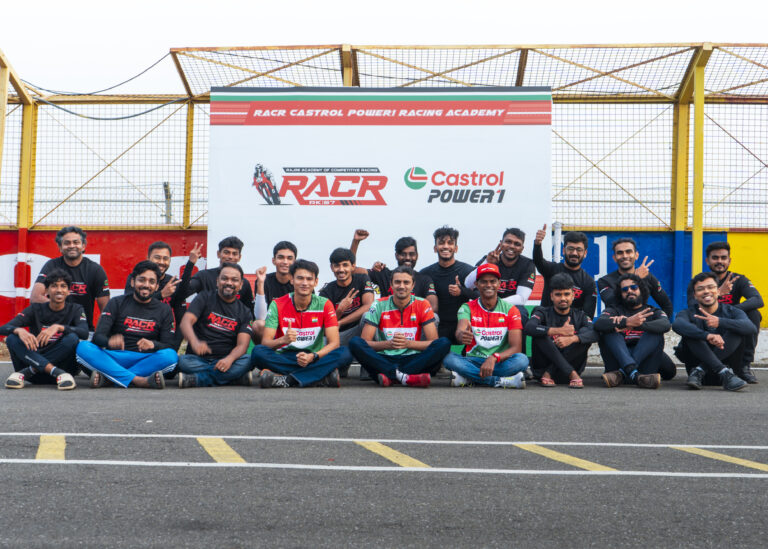
But Rajini’s legacy goes beyond the racetrack. In 2015, he founded the Rajini Academy of Competitive Racing (RACR) — a structured motorcycle racing academy. RACR has since trained thousands of riders, produced national champions, and opened doors for enthusiasts who dream of racing professionally. It stands today as a beacon for motorsport education and community building in India.
Founded in 2015, RACR is the first structured motorcycle racing academy in India, created by Rajini Krishnan to give back to the sport that defined his life. Key highlights:
● Graduated over 7,000 riders across India and abroad.
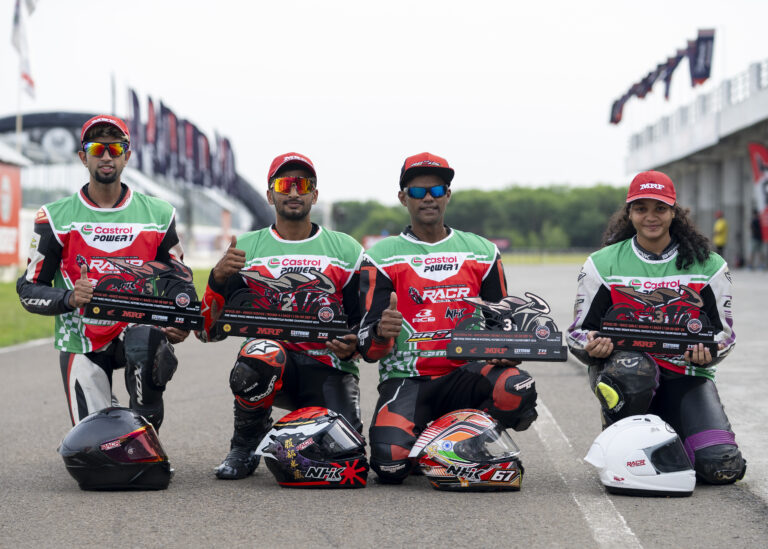
● Produced more national champions in the country.
● Offers multi-level training programs (Level 1–3), tailored for beginners to advanced riders.
● Provides track days, race-prepped motorcycles, and gear rentals, making racing accessible.
In this conversation, we’ll explore Rajini’s personal journey, his achievements, the creation and impact of RACR, and his vision for the future of Indian motorsport.
What first drew you into the world of racing, and when did you realize it could be your career?
Motorcycles fascinated me from a very young age. It started as pure curiosity—the sound, the speed, the precision—but once I got on track, it became something deeper. Racing gave me clarity. I realized early on that this wasn’t just about riding fast; it was about discipline, problem-solving, and constantly pushing personal limits. The moment I started competing internationally and saw that I could hold my own against the best, I knew this wasn’t just a passion anymore—it could be my life’s work.
Looking back, which race or championship do you feel truly defined your journey?
My World Championship campaigns were defining moments. Competing in the World Supersport Championship exposed me to the highest level of professionalism and intensity. It reshaped how I approached racing—not just as a rider, but as an athlete. Those seasons forced me to grow rapidly and gave me a global perspective that later became the foundation for everything I built back home.
What was the toughest challenge you faced as an Indian racer competing internationally, and how did you overcome it?
The biggest challenge was starting with a disadvantage—limited exposure, fewer resources, and the constant need to prove that Indian racers belonged on the global stage. You’re not just racing competitors; you’re fighting perceptions. I overcame it by focusing on preparation and performance. Once you’re fast, consistent, and professional, respect follows—regardless of where you come from.
Who has been your biggest influence or mentor in motorsport?
I’ve learned from many people across different paddocks, but my biggest influence has been the international racing ecosystem itself. Being surrounded by elite riders, engineers, and team managers taught me that success is built on structure, data, and relentless effort. Those lessons stayed with me far beyond my racing career.
You’ve broken barriers for Indian motorsport — which achievement are you most proud of?
Competing—and winning—at the international level is something I’m proud of, but what truly matters to me is opening doors for others. Showing young Indian riders that it is possible to reach the world stage is my biggest achievement.
Can you share a moment when you felt you had put Indian racing on the global map?
Standing on international grids with the Indian flag next to my name was powerful. But more importantly, it was when teams and paddocks stopped seeing me as “the Indian rider” and simply as “a fast rider.” That shift meant everything.
What qualities do you believe separate a good racer from a great one?
Consistency, adaptability, and mental strength. Anyone can be fast on a good day. Great racers perform under pressure, learn quickly, and stay disciplined even when things aren’t going their way.
How do you want to be remembered in Indian motorsport history?
As someone who didn’t just race, but built something sustainable for the future. If my journey helped create a pathway for Indian riders to dream bigger, that’s enough for me.
What inspired you to start RACR, and what gap in motorsport did you want to fill?
I realized that talent wasn’t the issue—structure was. RACR was created to bring international-level training, professionalism, and safety standards to Indian motorsport. I wanted riders to learn the right way from day one.
How did your personal experiences as a racer shape the academy’s philosophy?
Everything at RACR is based on what I experienced globally—data-driven training, mental conditioning, safety-first thinking, and respect for process. I built the academy I wish I had access to when I was starting out.
What was the biggest challenge in building RACR from the ground up?
Changing mindsets. Convincing riders and parents that proper training matters more than shortcuts was tough initially. But once results started showing, belief followed.
How do you balance being a competitor and a mentor at the same time?
Racing keeps me sharp and relevant; mentoring keeps me grounded. Competing helps me stay connected to the realities of the sport, while teaching allows me to pass on those lessons with clarity and empathy.
What milestone in RACR’s journey makes you most proud?
Seeing RACR riders win national championships and perform consistently across categories is incredibly satisfying. It proves the system works.
How does RACR ensure accessibility for newcomers who may not have prior racing experience?
We’ve structured our programs step-by-step. You don’t need a racing background—just commitment and the right mindset. From Level 1 onwards, we build skills progressively, safely, and confidently.
What’s the most common mistake young riders make, and how do you help them overcome it?
They rush results. We teach patience—understanding technique, building racecraft, and respecting the learning curve. Speed comes naturally when the foundation is strong.
Can you share a success story of a student who embodies RACR’s mission?
Several of our riders started with zero racing experience and went on to become national champions and professional racers. What stands out is not just their success, but their discipline and professionalism—that’s the real RACR identity.
How do you see RACR evolving in the next decade — expansion, international racing, or new formats?
Expansion across India, stronger international collaborations, and a clearer pathway from grassroots to global racing. RACR will continue to raise the bar.
Do you see electric or hybrid racing becoming part of RACR’s training programs?
Absolutely. Motorsport is evolving, and we have to evolve with it. The fundamentals of riding remain the same, but adapting to new technology is essential.
What role do you want RACR to play in making motorsport more mainstream in India?
RACR should be a bridge—between curiosity and competition, passion and professionalism. We want motorsport to feel accessible, structured, and aspirational.
If you could change one thing about the motorsport ecosystem here, what would it be?
I’d improve grassroots infrastructure. Strong foundations create long-term success.
Outside racing, what passion keeps you grounded?
Teaching. Watching students grow—on and off the track—keeps me motivated and balanced.
If you weren’t a racer, what career path might you have chosen?
I was already in the automobile business even before racing became my full-time pursuit. If racing hadn’t happened, I would’ve focused on building that business seriously and grown it into something substantial. I’ve always had an entrepreneurial mindset—understanding machines, systems, and people—so I’d likely have been a proper businessman within the automotive space. In many ways, that business thinking still influences how I approach racing and RACR today.
Finally, what one piece of advice would you give to aspiring racers who look up to you?
Trust the process. Be patient, stay disciplined, and never cut corners. Talent opens the door, but commitment keeps you in the room.
Rajini, your story is proof that passion and perseverance can break barriers and redefine what’s possible. From your own victories on the international stage to the creation of RACR, you’ve shown that motorsport in India can thrive with the right vision and dedication. As RACR continues to train and inspire the next generation, your legacy lives not only in trophies and titles, but in every rider who dares to dream bigger because of you.
Thank you for sharing your journey and all the very best.

Your life path is a great example and a useful one for the current and future generations.
Translate a conversation
I extend my heartfelt congratulations and gratitude for your continued efforts and hard work.
🫶🏻🫶🏻🙏🏻