Spread the love for motorsports
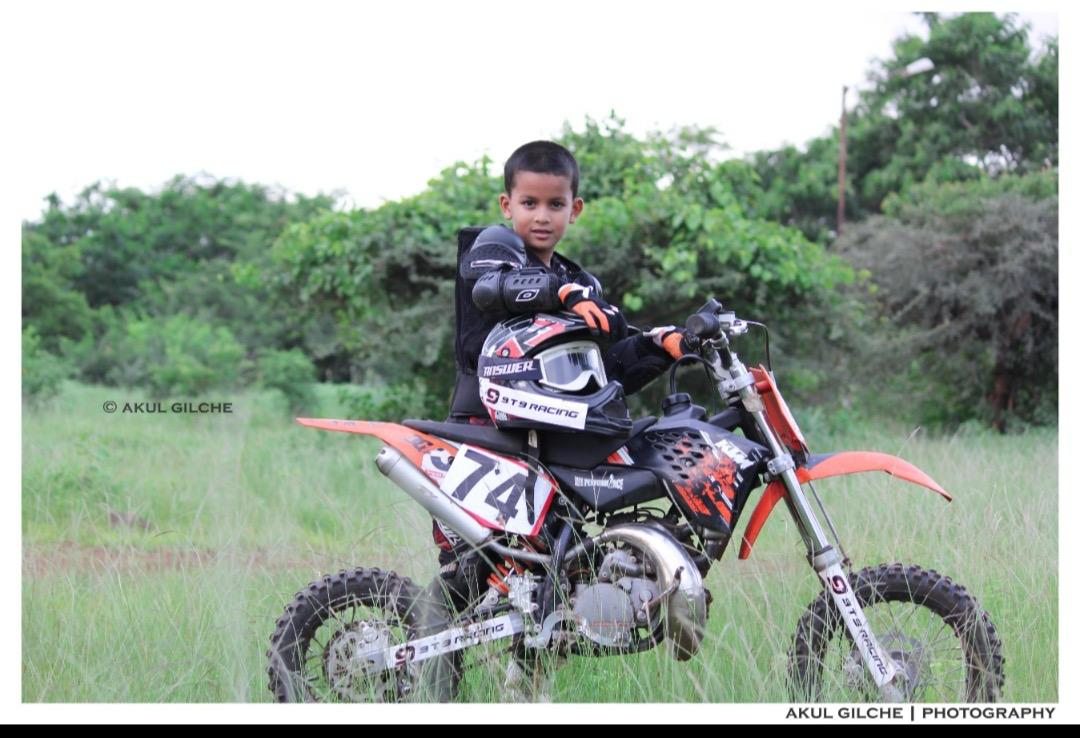
You started racing at just six years old. What drew you to the sport so early, and what do you remember most from your first few races?
I started racing at just six years old because of my father. He was always involved in motorsports. I remember being fascinated by the bikes and the speed. My first few races were a mix of nerves and excitement. I was always trying to learn from my mistakes and get better with each race. The support from my dad, teaching me and encouraging me, is what I remember most.
Coming from a racing family, how has your upbringing shaped your mindset and discipline on and off the track?
Having a racing family background likely shaped my mindset and discipline. I developed a competitive spirit, resilience, and strategic thinking. Discipline would come from physical fitness and respecting rules.
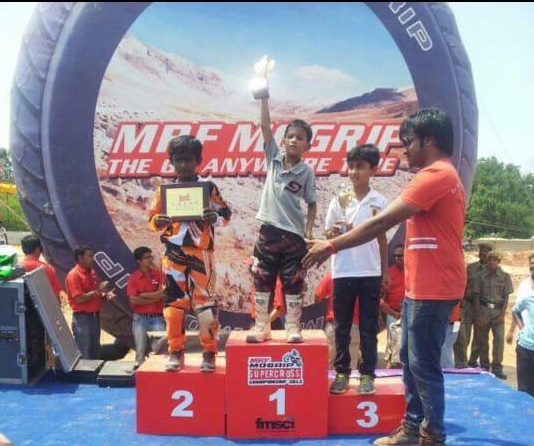
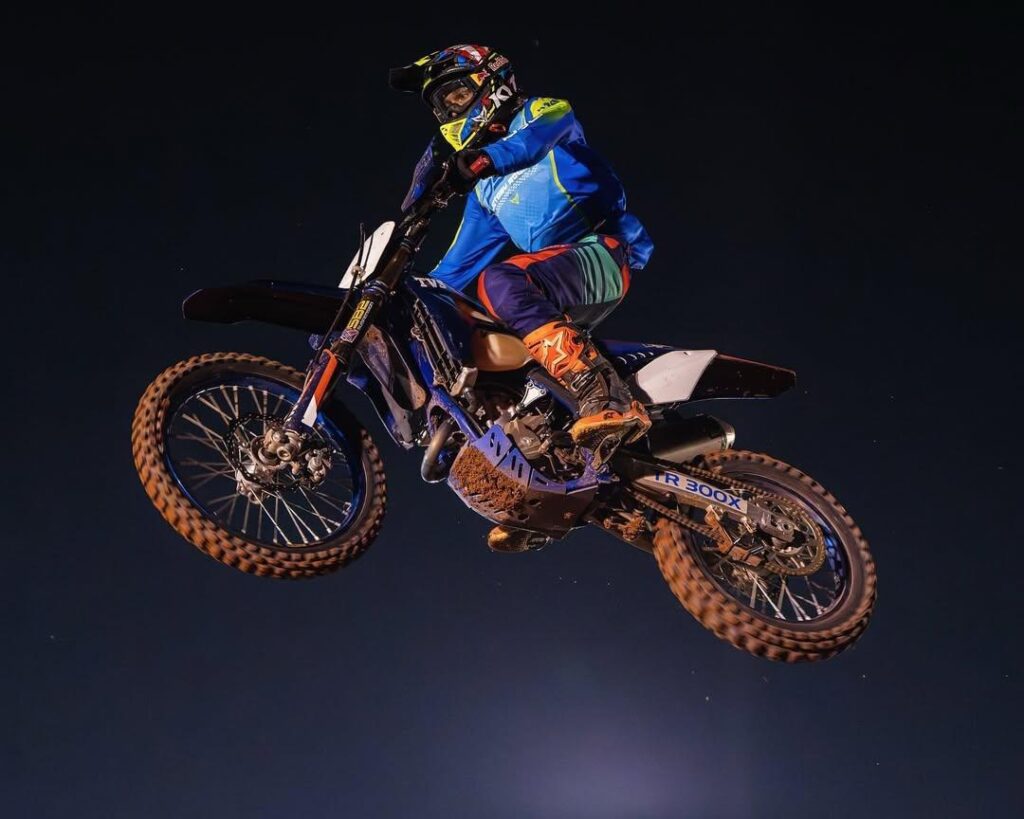
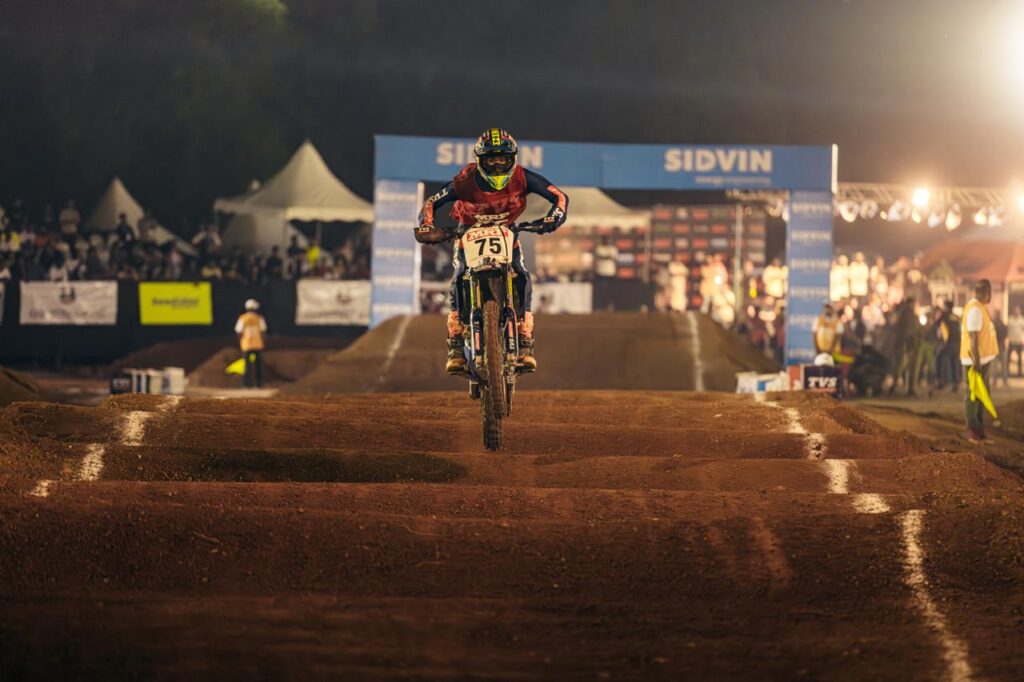
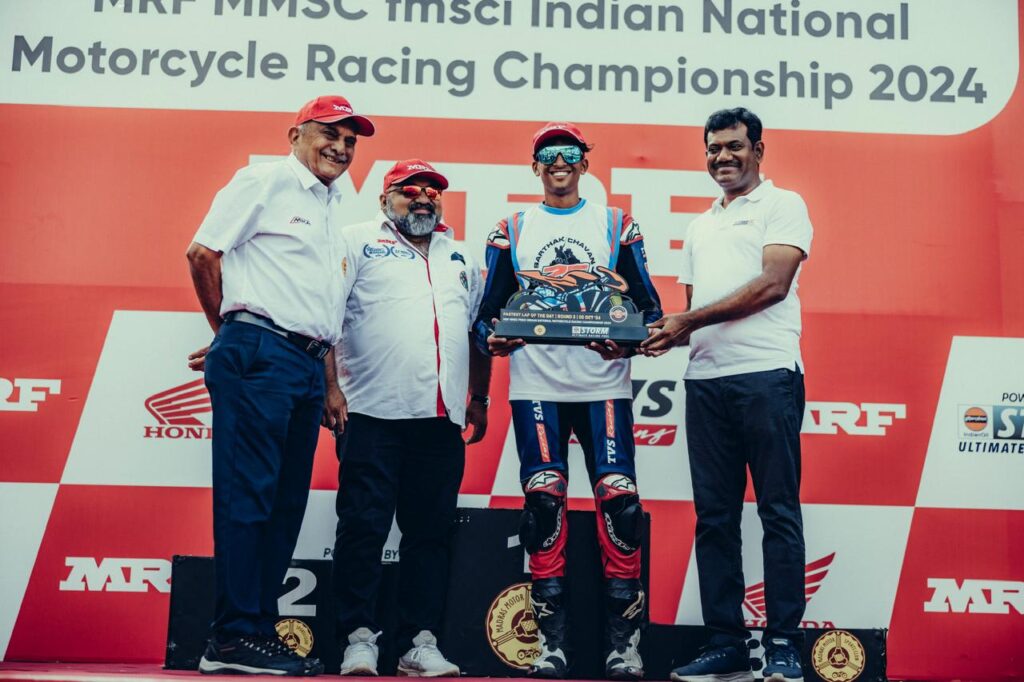
At 12, you won your first national Supercross title in Junior SX. What was that moment like, and how did it change your goals?
At 12, I became the Supercross Jr Champion. It was a great moment and it is what motivated me to achieve more better results in the races forward. It was also the primary changing time of me coming into road racing
Why then you shifted to Racing ?
More international opportunities arriving into road racing is what made me switch from Supercross to a completely different format.
How do you balance academics, training, and racing—especially with such a packed schedule?
It has been quite difficult as I compete in several championship. I am pursuing mechanical engineering and sometimes it is difficult to manage. But I do focus on my academics as well and move forward
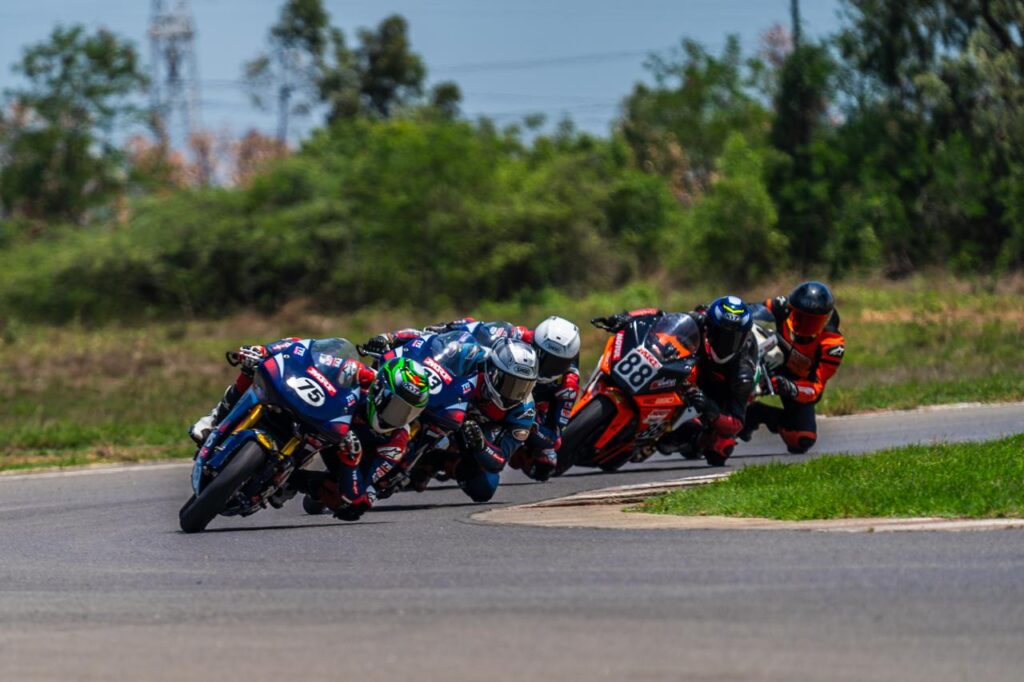
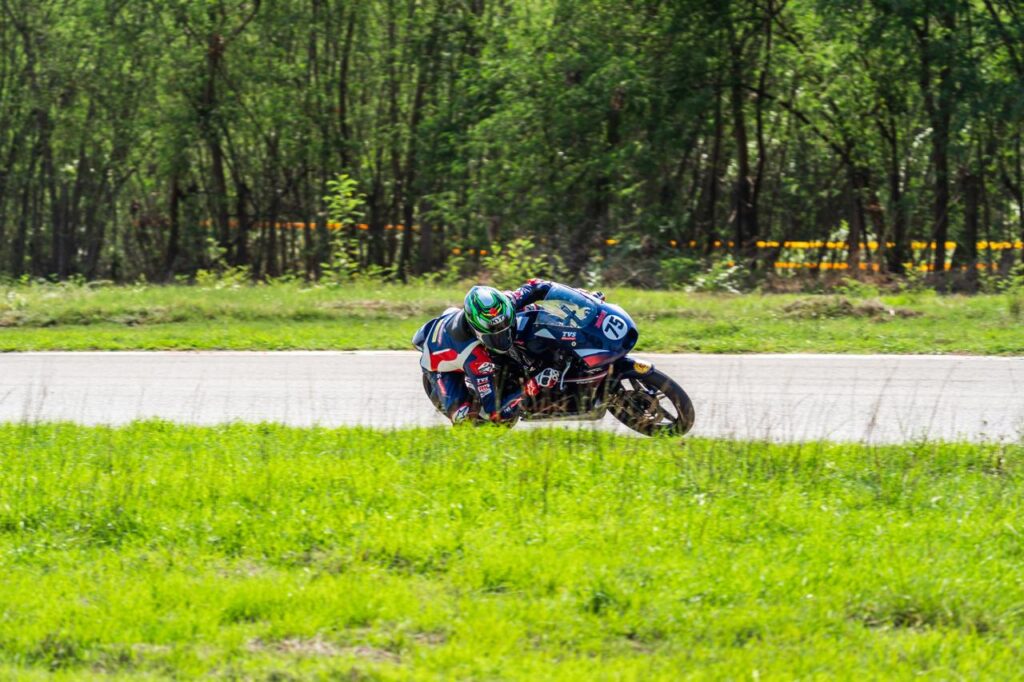
You’ve competed in both supercross and circuit racing. What are the biggest differences in terms of technique and mindset?
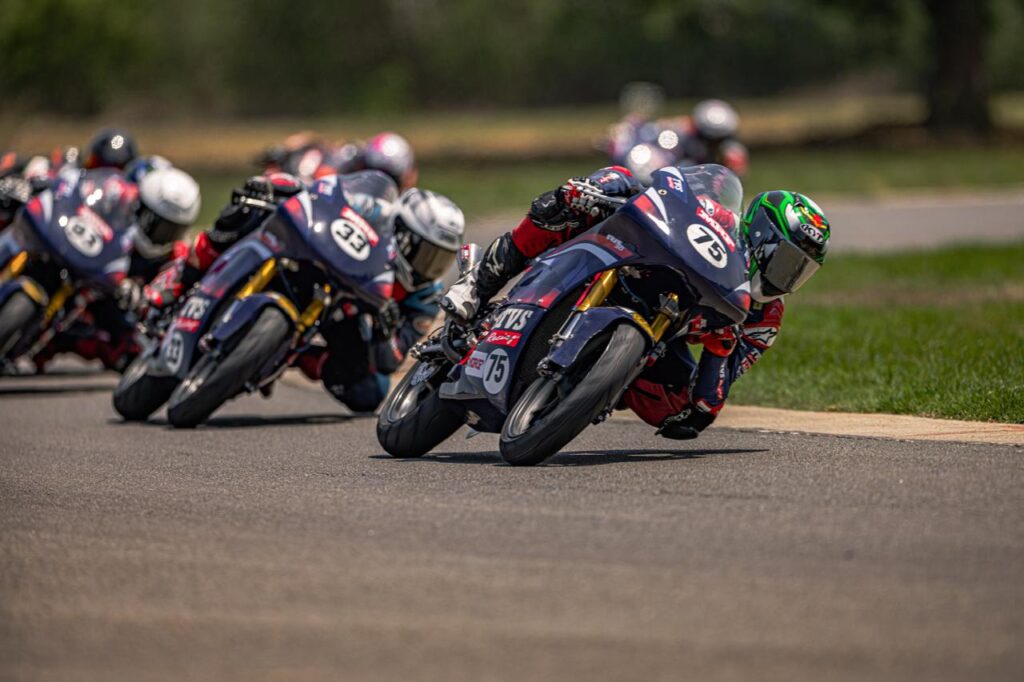
Supercross requires precise bike control, navigating tight turns, and mastering jumps. Circuit racing emphasizes high-speed cornering and maintaining momentum. Supercross demands aggressive racing and quick decision-making. Circuit racing focuses on consistency and strategic planning over a longer race duration.
How do you approach bike setup for different tracks—especially when racing abroad where conditions vary?What’s your process for analyzing race data and improving lap times between sessions?
I like my bike to have good front end feeling. My goal is always to setup my bike which makes me as comfortable while breaking and acceleration.
Data plays an important role . Sometimes it helps the rider to make big improvement on the tracks. I do as well spend some time with my team’s race engineers and look into the data to see where I can improve.
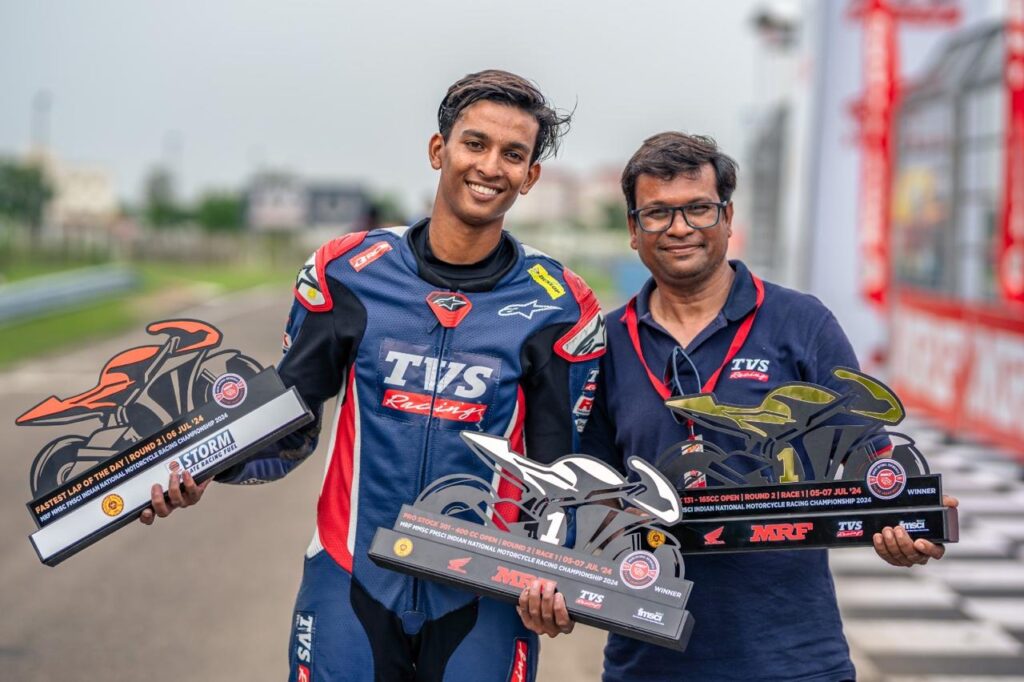
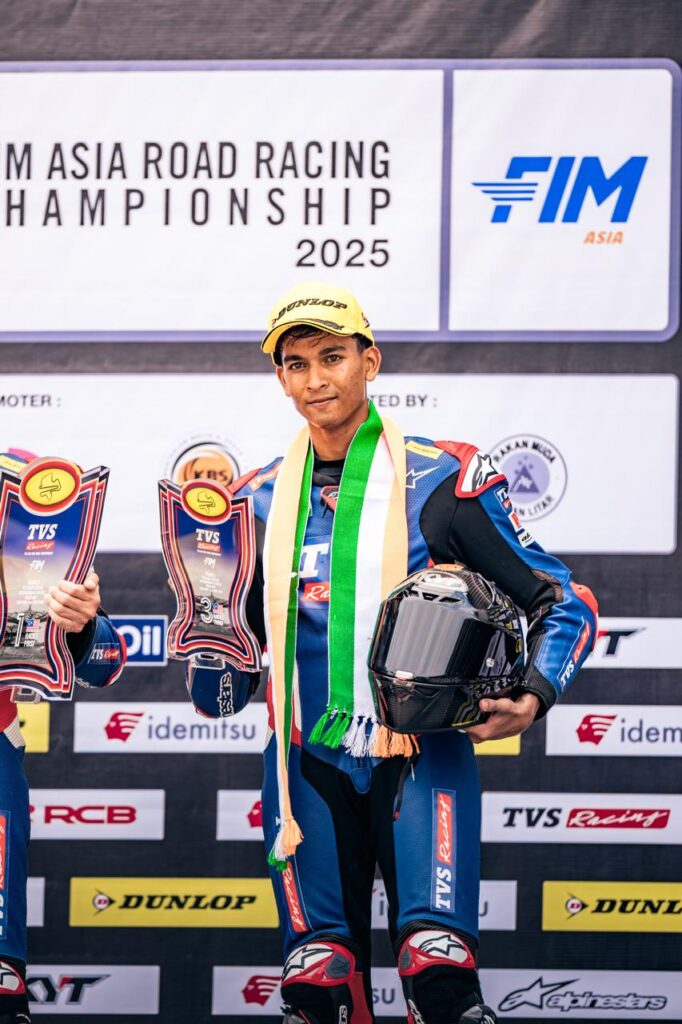
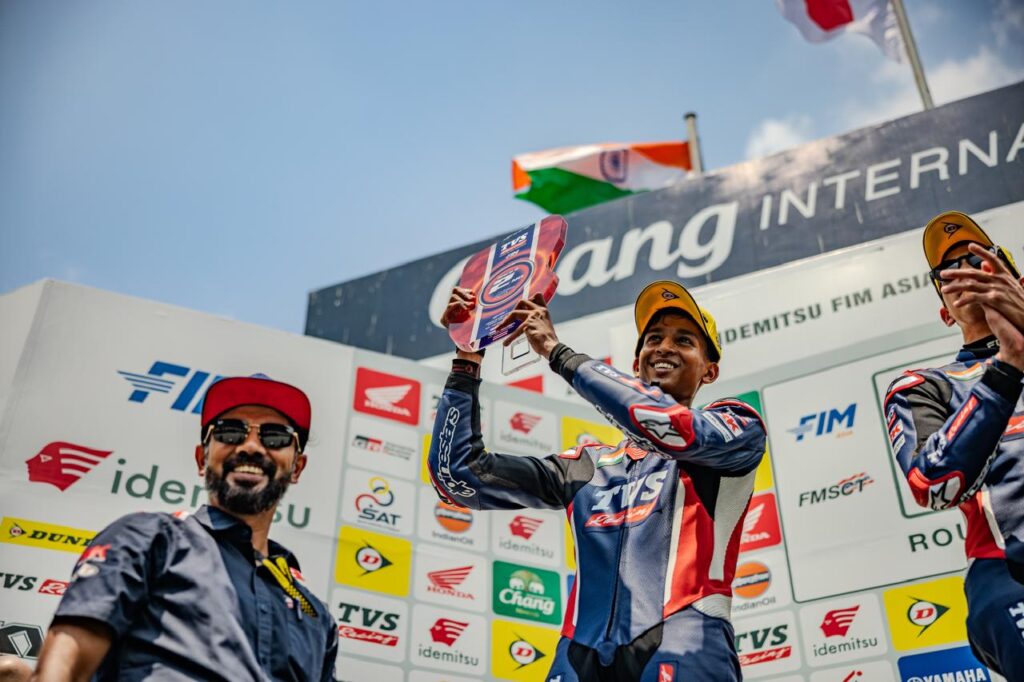
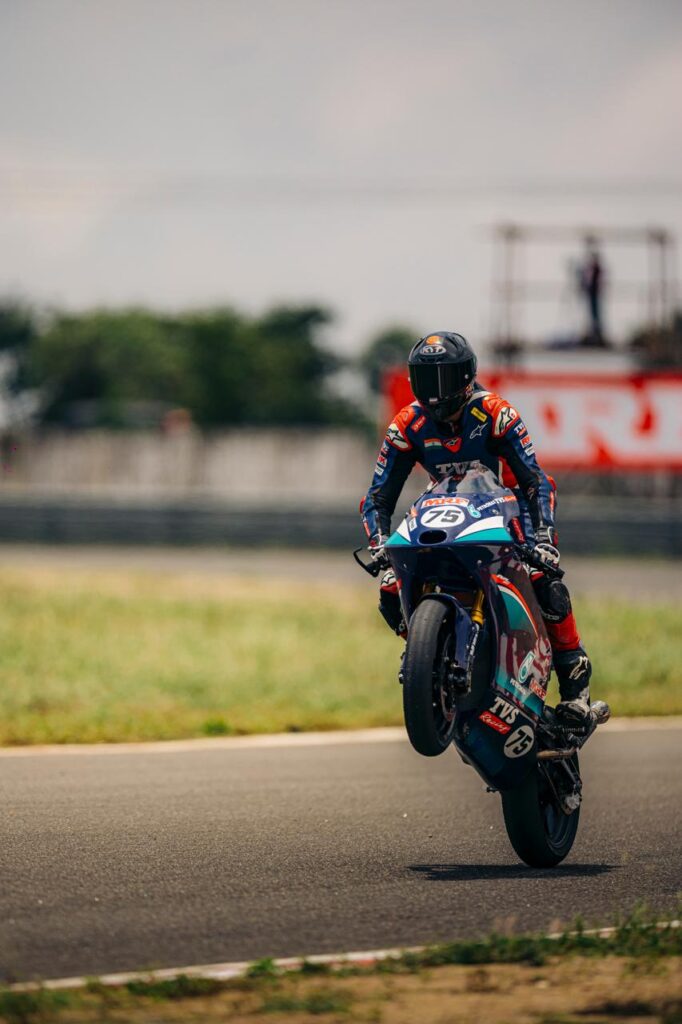
You made history by finishing third overall in the FIM Asia Road Racing Championship in TVS One Make. What did that achievement mean to you personally and professionally?
Last year it was my first time competing in the ARRC. The competition level there is a little higher than India, but I was confident from the start and I could achieve multiple podium finishes which made me overall third in the Championship. It was a wonderful moment as I was the first indian to do so
What were the biggest technical or strategic lessons you learned from the Thailand ARRC rounds?
Thailand is my favourite circuits to race on . I have had many podiums and wins at this track. The strategy which works always on this track is keep following the front bunch and race aggressively in the last two laps. As the track has 2 long straights it is important to have good acceleration and speed out of the corner
The upgraded Apache RR 310 has been a game-changer. What’s your feedback on the new setup, and how does it affect your race strategy?
The RR310 is a very comfortable and fast bike to race on. There is no difference compared to the last years
How does it feel to represent an Indian manufacturer like TVS on an international stage? Does it bring added pressure—or pride?
Representing an Indian manufacturer like TVS on the international stage likely brings a mix of pride and pressure. It’s a chance to showcase Indian engineering and compete globally, which is a source of immense pride. However, it also comes with the responsibility of performing well and upholding the brand’s reputation, which can add pressure
You’ve mentioned MotoGP ambitions. What steps are you taking to move toward global platforms like Moto3 ?
To get to Moto3, I need to compete in regional Europe championships, train hard, get sponsorships, join a good team, and perform well
What do you think Indian motorsport needs to thrive internationally—better infrastructure, sponsorship, or grassroots development?
I think the 2w motorsports has improved a lot in terms of riders competitiveness, only lacking thing is sponsors
If you could mentor young riders entering the sport, what’s the one piece of advice you’d give them?
Always be open to learning and adapting
If you weren’t a racer, what would you be doing instead?
If I weren’t racing, I’d still be in the world of motorsport, probably working as an engineer or a strategist.
WISH SARTHAK ALL THE VERY BEST
Post Views: 823